Brushes in Modeling: Precision, Detail, and a Spectacular Finish
In the world of scale modeling and miniatures, attention to detail is the key to success. Even when using an airbrush or spray cans, hand painting remains indispensable for working with small details, creating weathering effects, and finishing details. And the most important tool in this craft is brushes. They allow you to make precise strokes, create texture, work in hard-to-reach areas, and give a model character. No complete assembly is possible without a quality brush.
Why is it important to buy the right brushes for modeling?
Many beginners make the mistake of starting with cheap stationery or artist brushes, believing that "they make no difference." In practice, this leads to uneven brush strokes, frayed bristles, hairs in the paint, and disappointment in the final product. That's why it's worth buying modeling brushes specifically designed for the needs of this specific hobby: they're durable, elastic, hold their shape, provide smooth brushstrokes, and don't lose their bristles.
Good brushes have a number of essential characteristics:
high elasticity and the ability to return to their original shape;
minimal water absorption (especially important when working with acrylic);
high-quality bristle attachment in the ferrule;
anti-corrosion coating of the metal part;
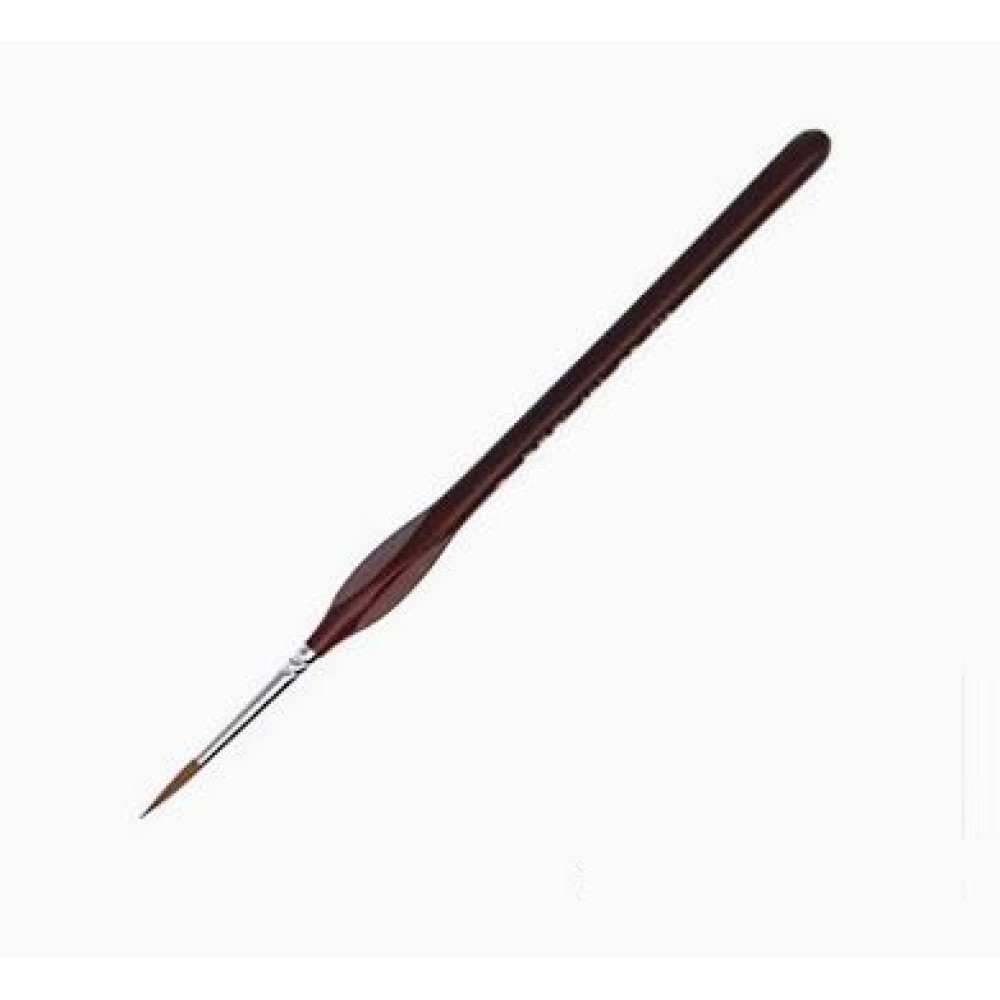
ergonomic handle, comfortable for long periods of work.
Hobby Brushes: A Wide Selection for Different Tasks
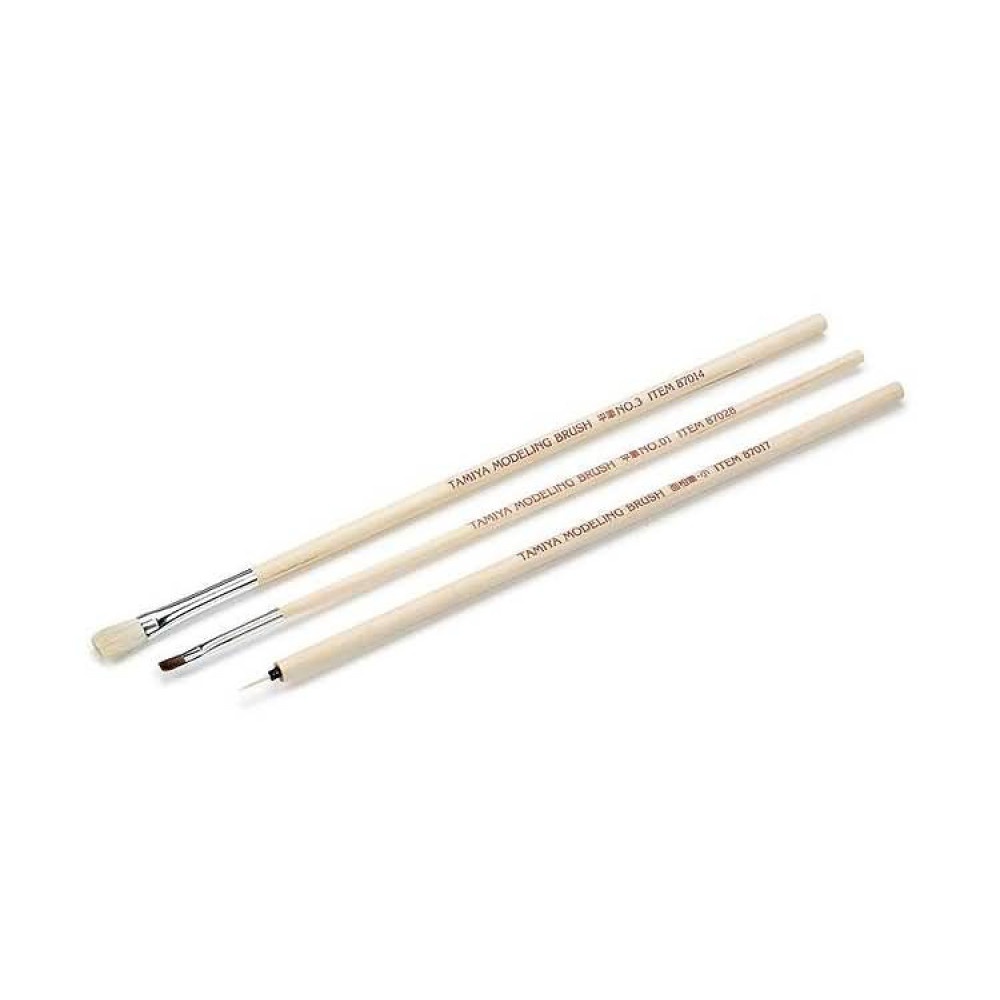
Hobby brushes vary not only in size but also in shape, bristle type, and purpose. Depending on the task you're performing, it's important to select the appropriate tool:
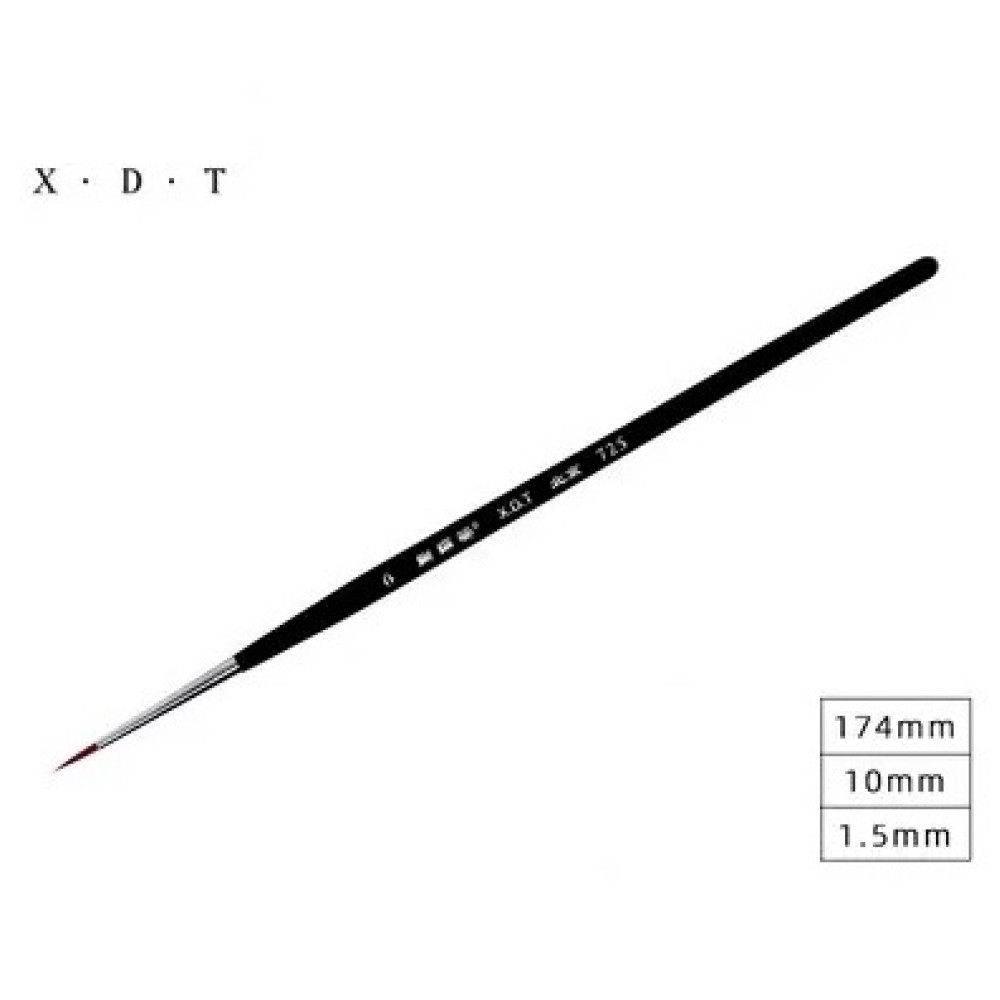
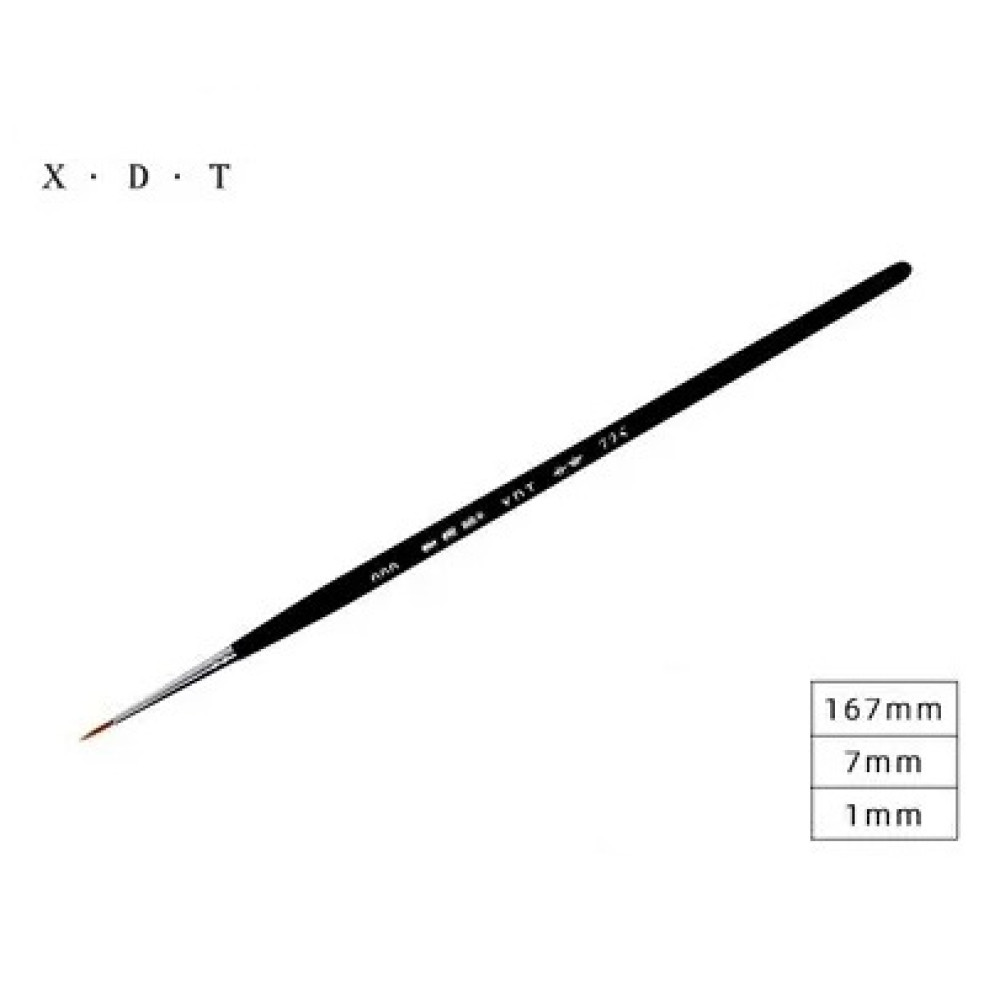
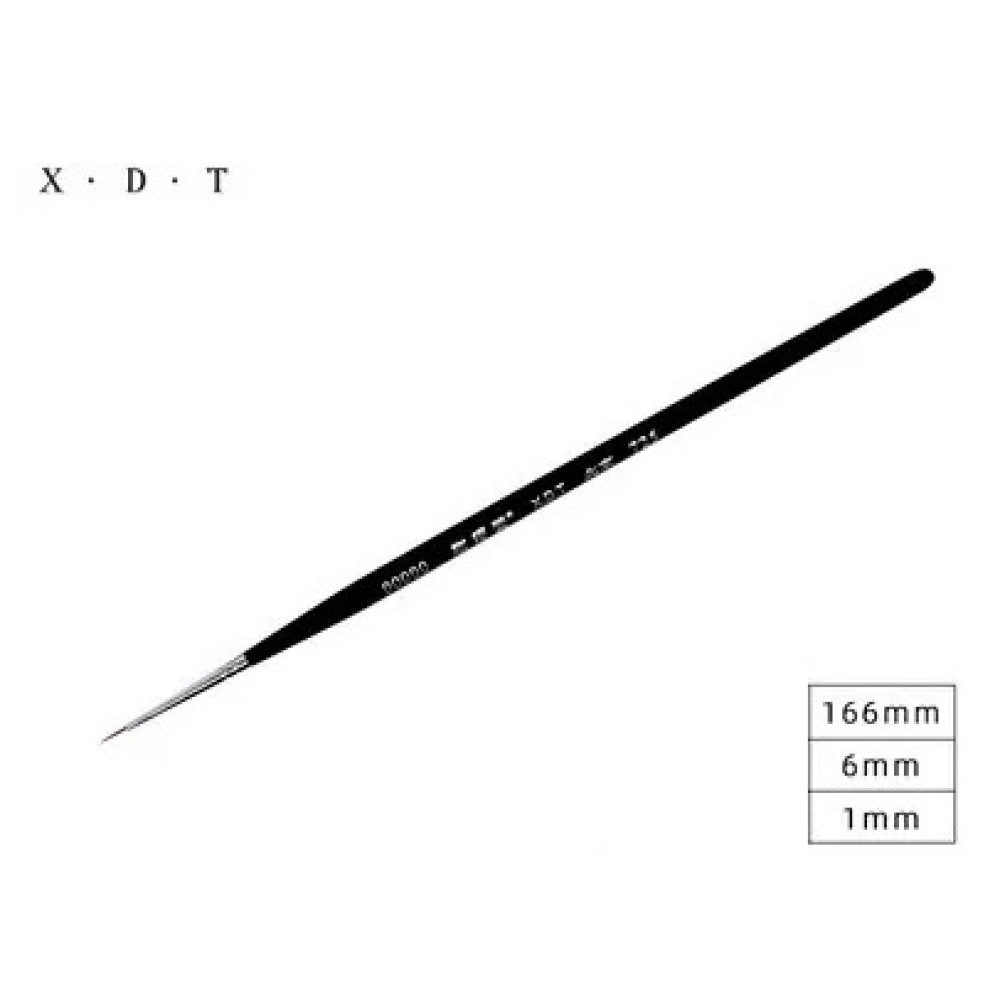
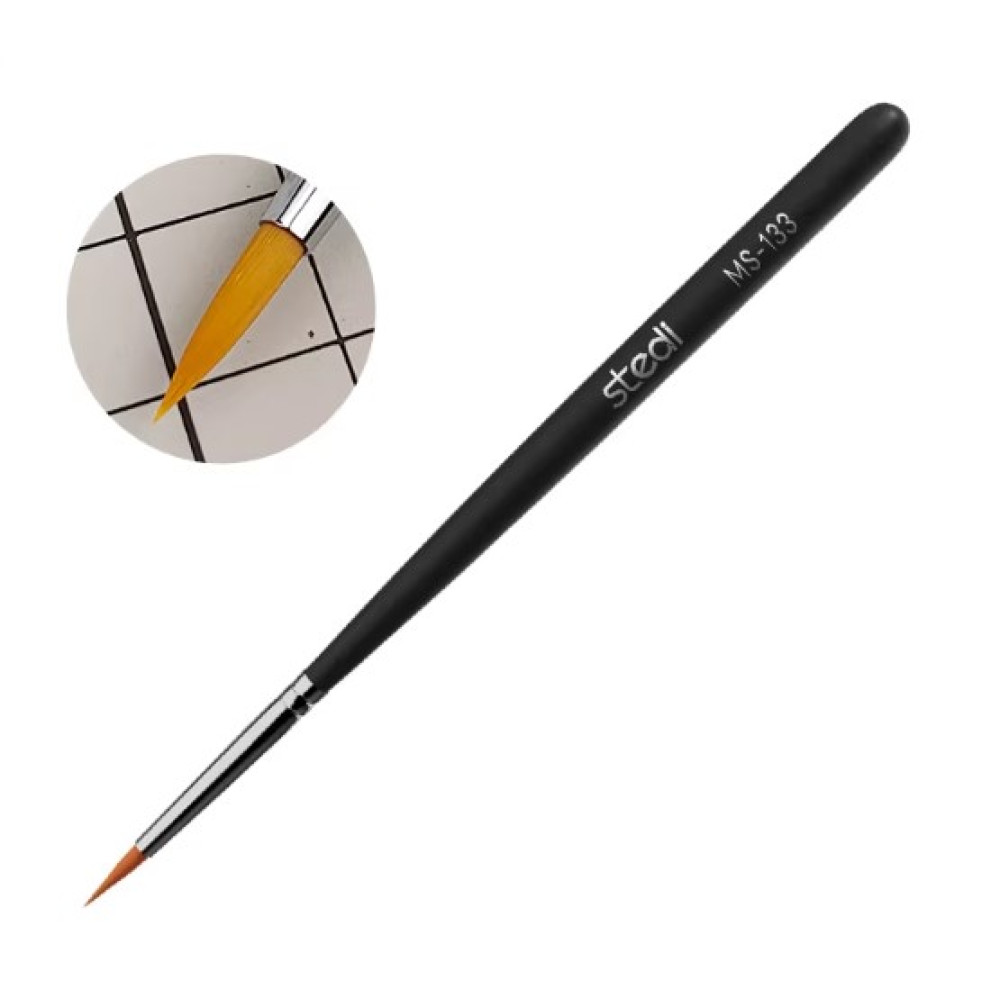
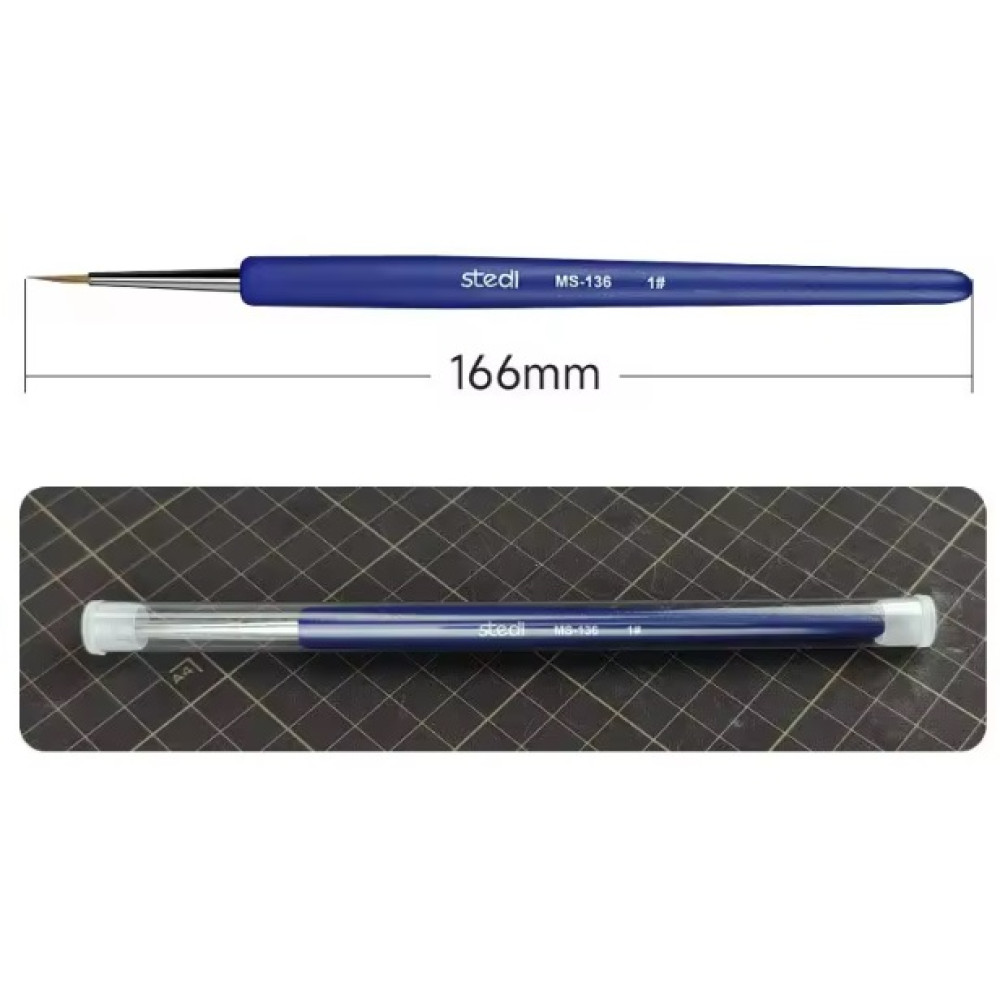
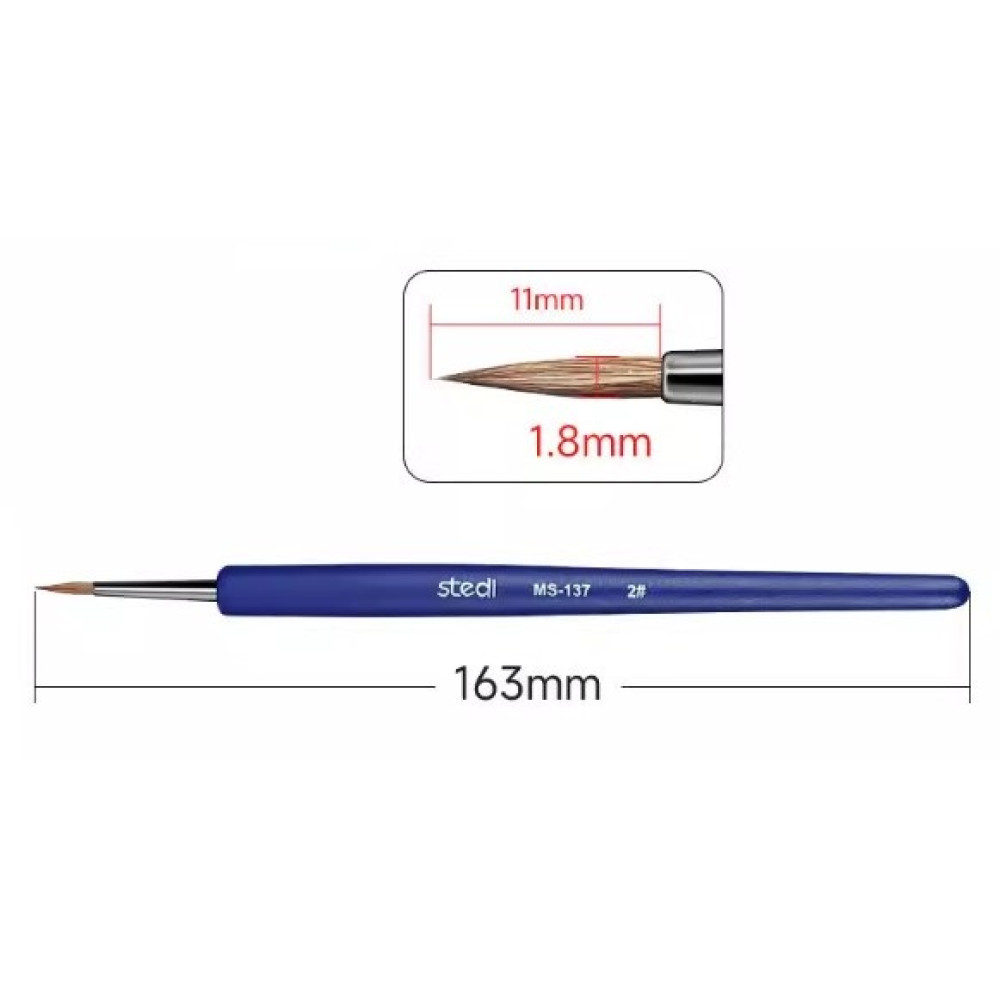
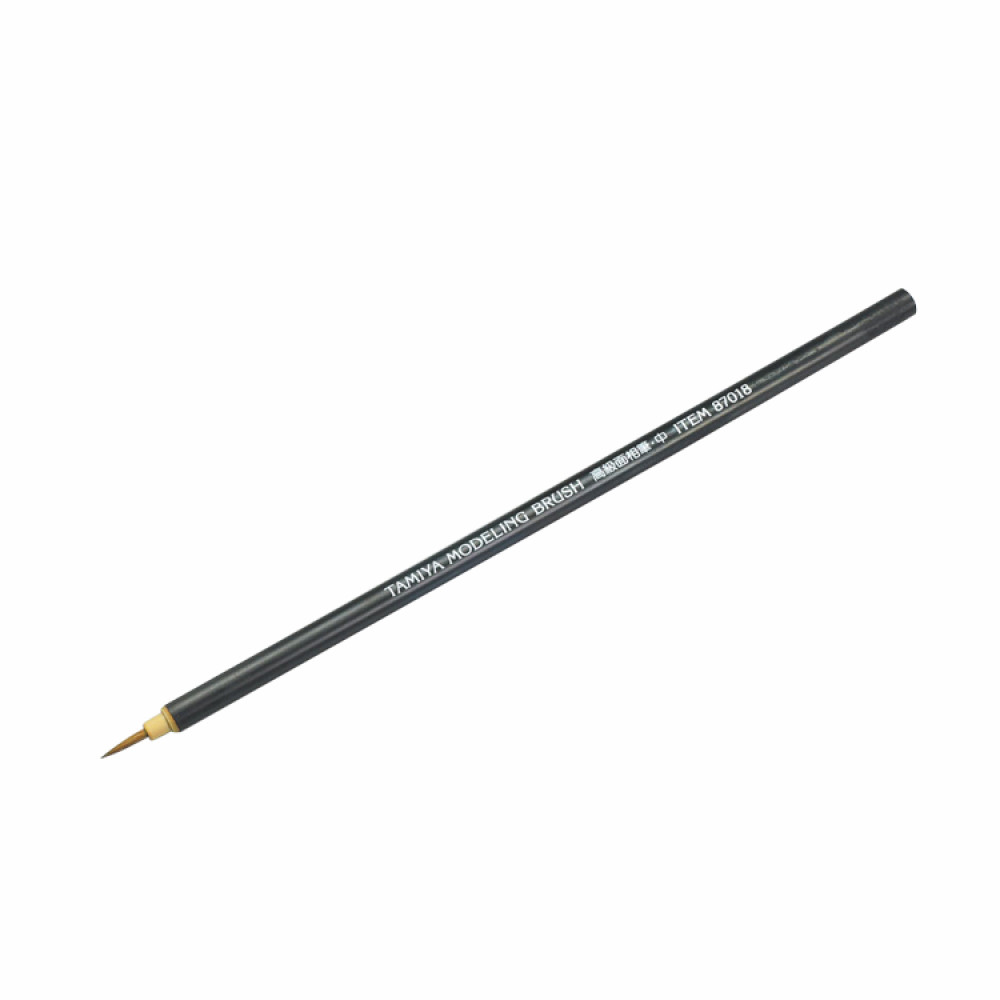
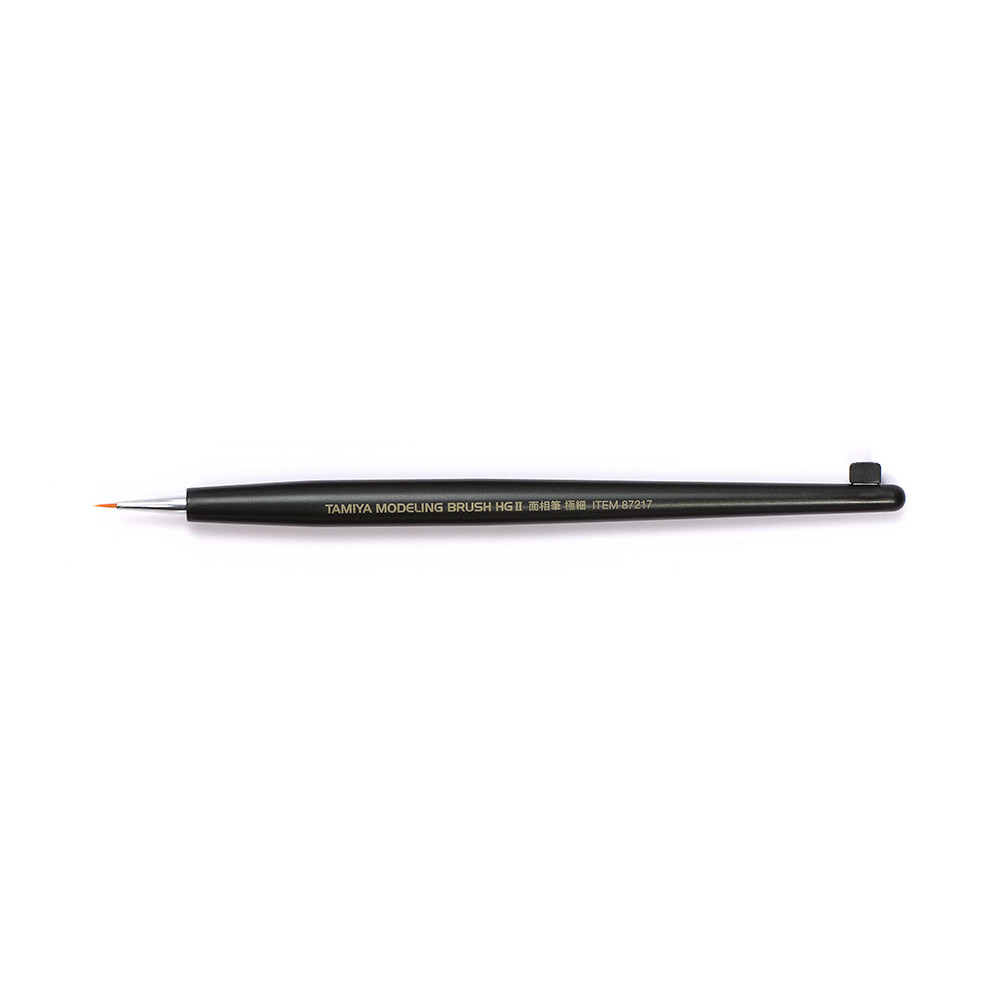
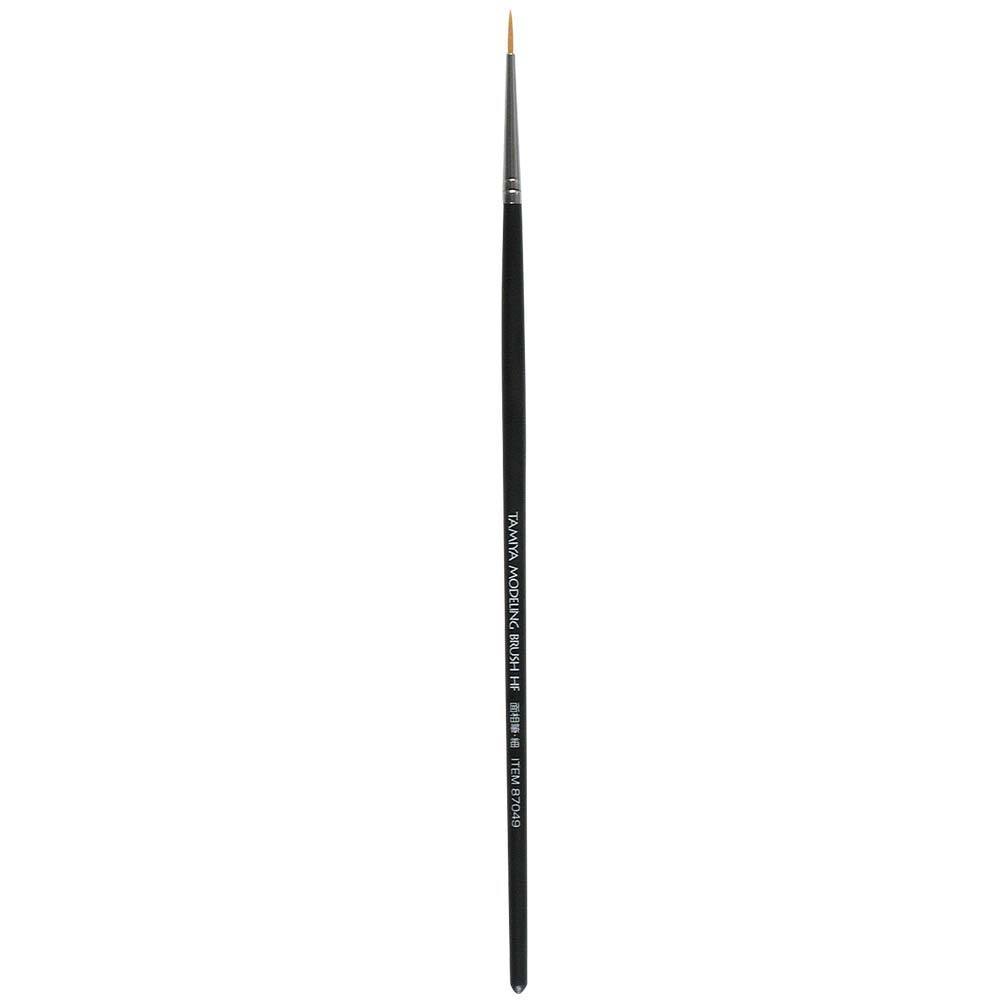
Thin round brushes (sizes 0, 00, 000) — for fine details, eyes, dashboards, lettering, and small symbols.
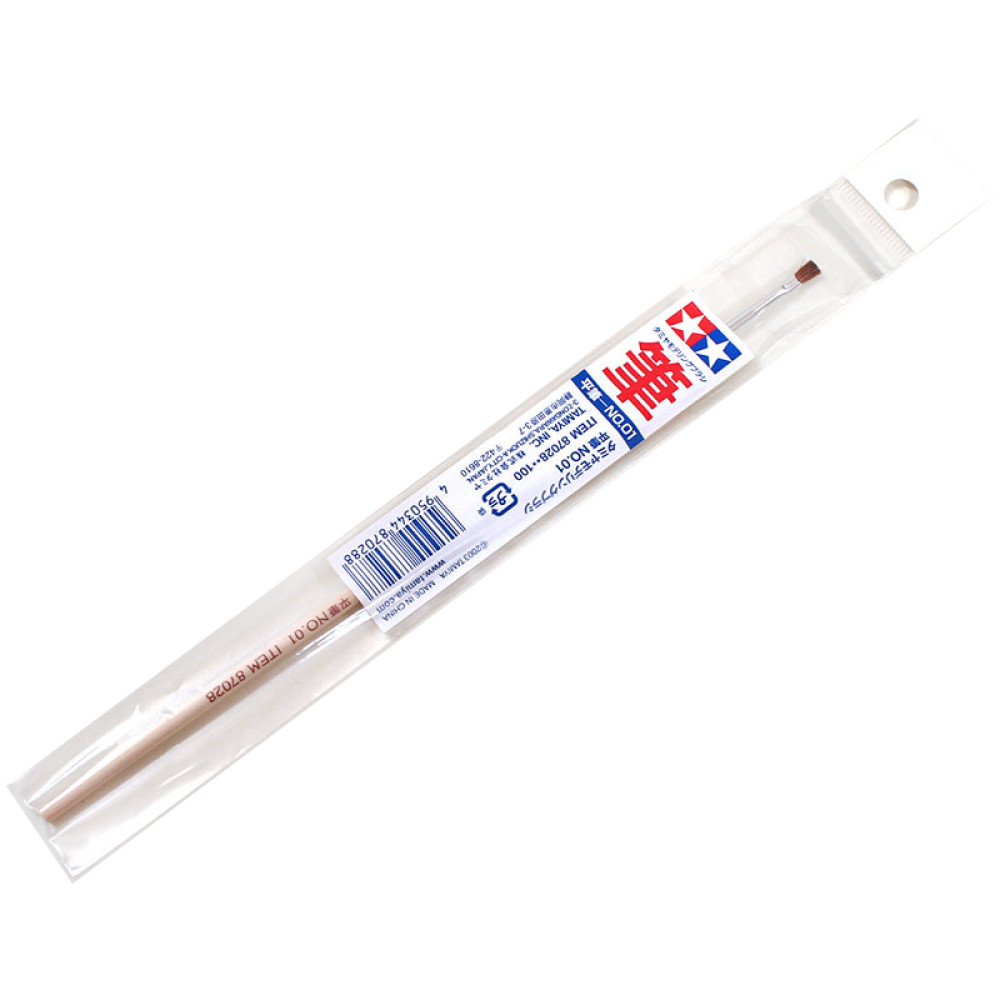
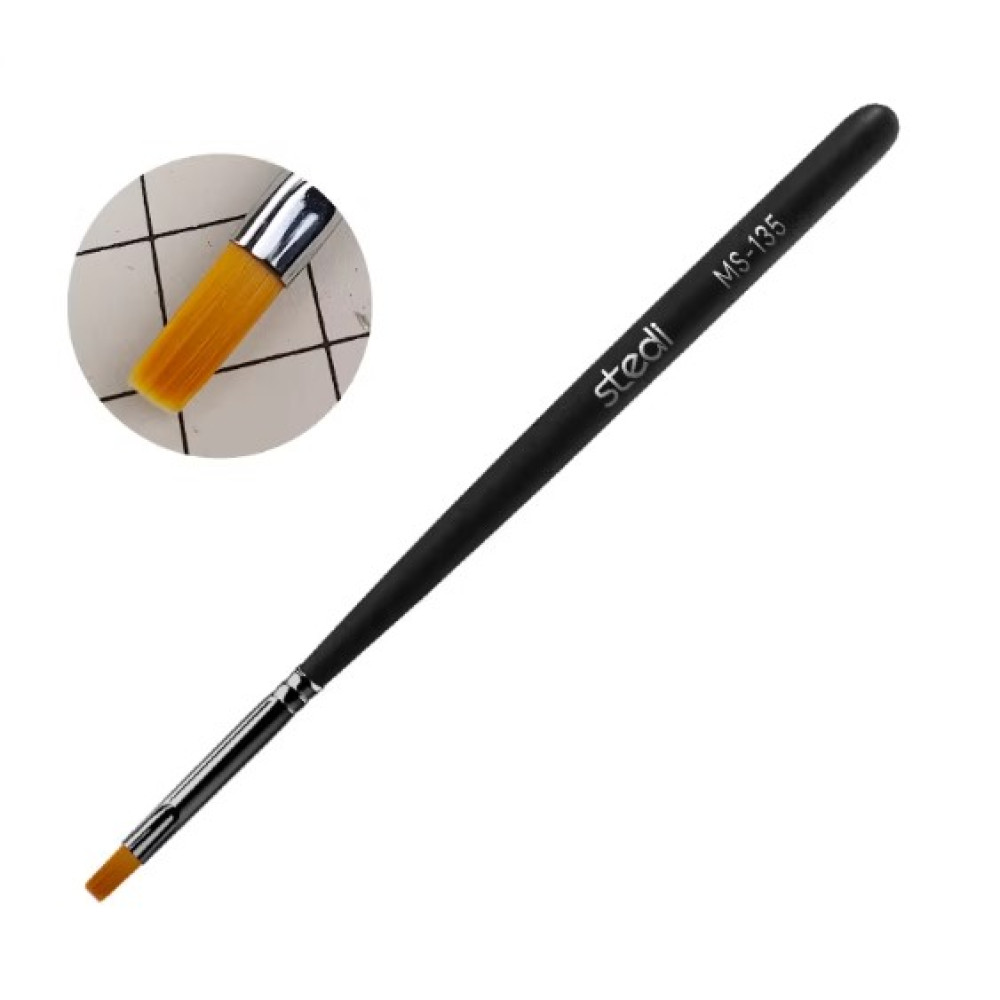
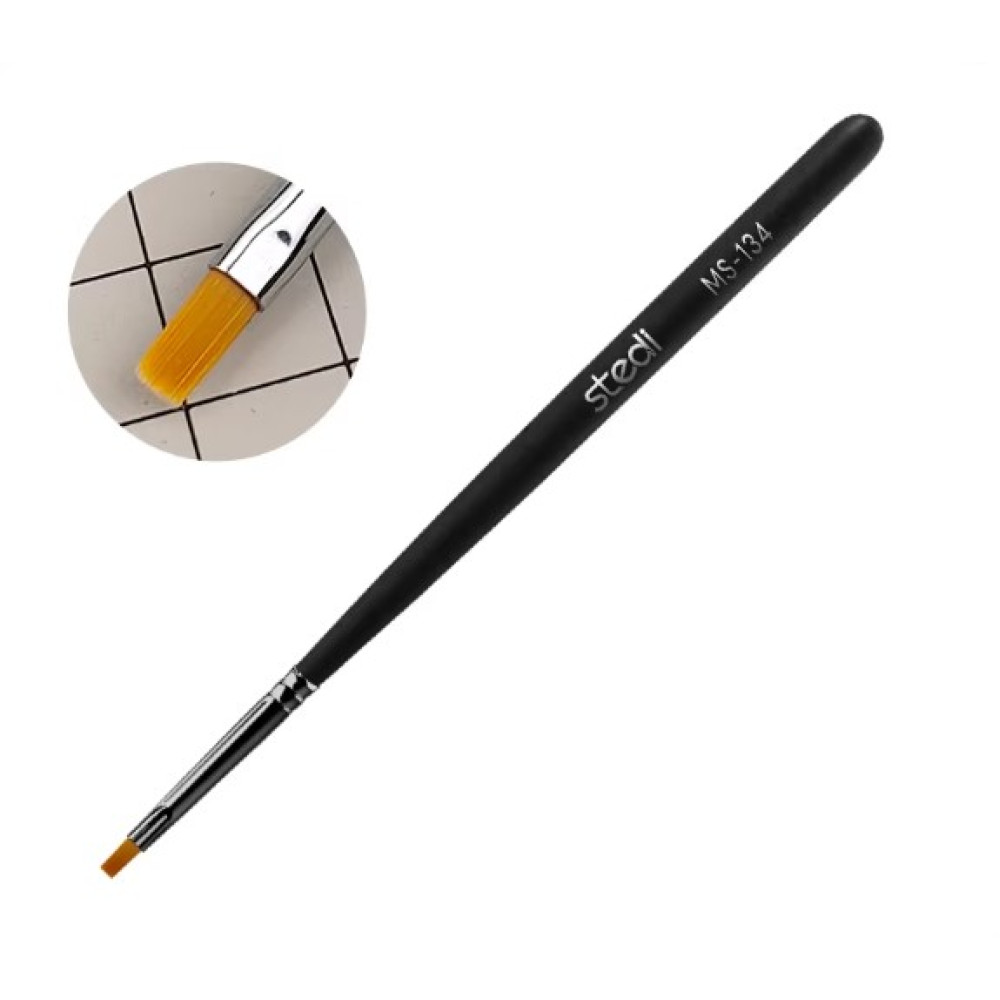
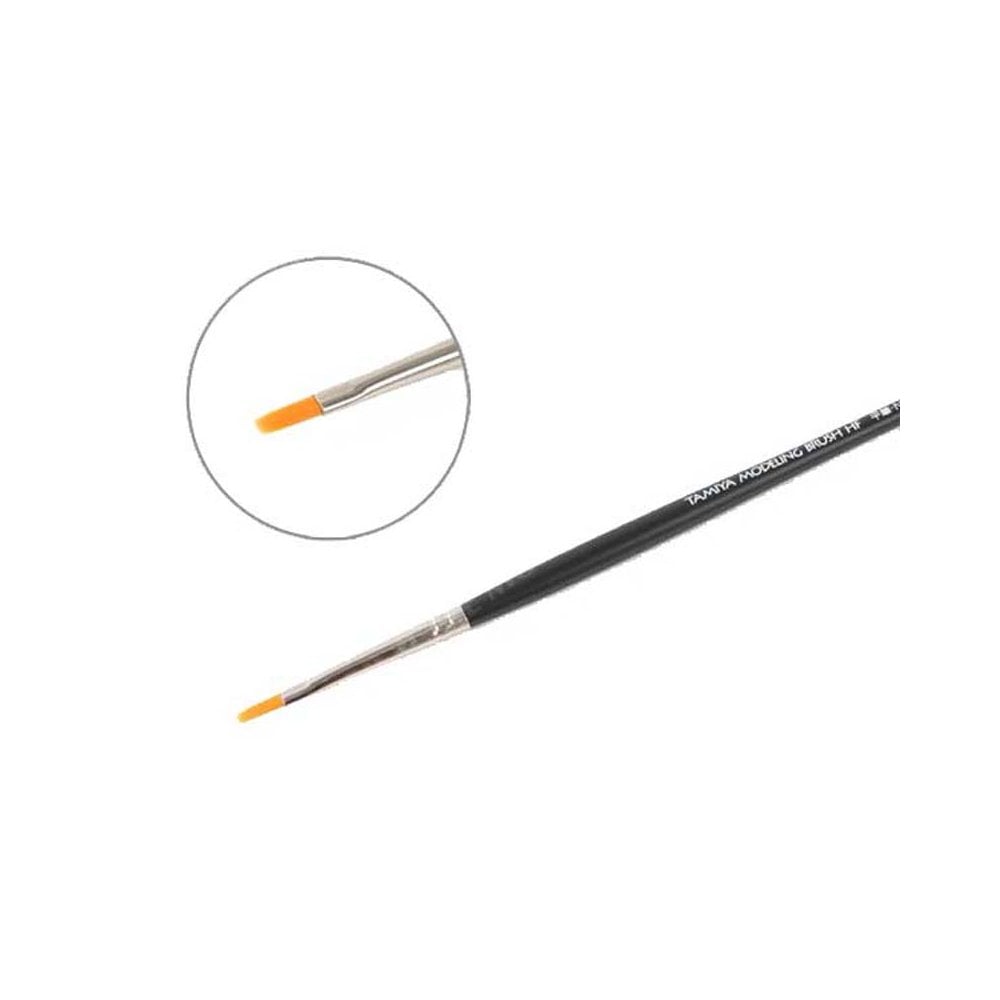
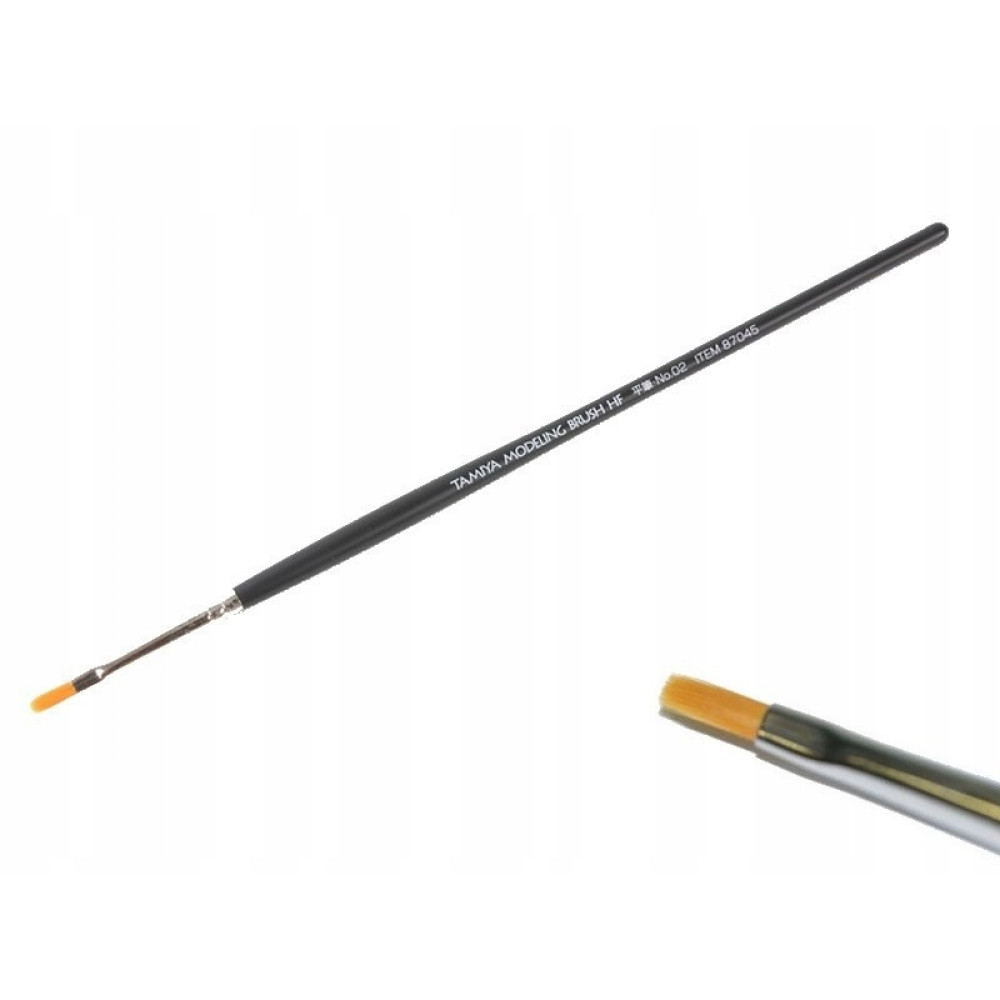
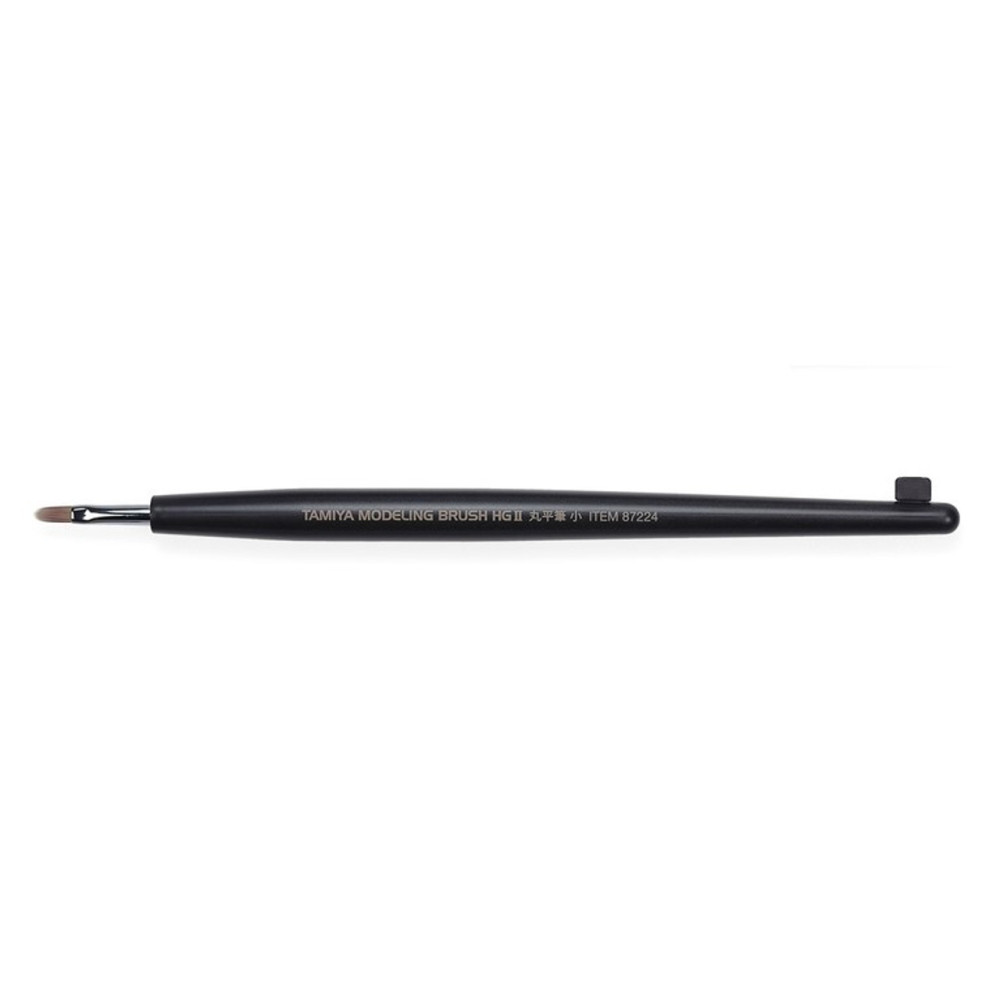
Flat brushes — for base painting, filling large areas, applying primer and varnish.
Cat's tongue — a versatile shape, good for soft blending.
Wide brushes — ideal for applying an even coat of varnish or matte finish.
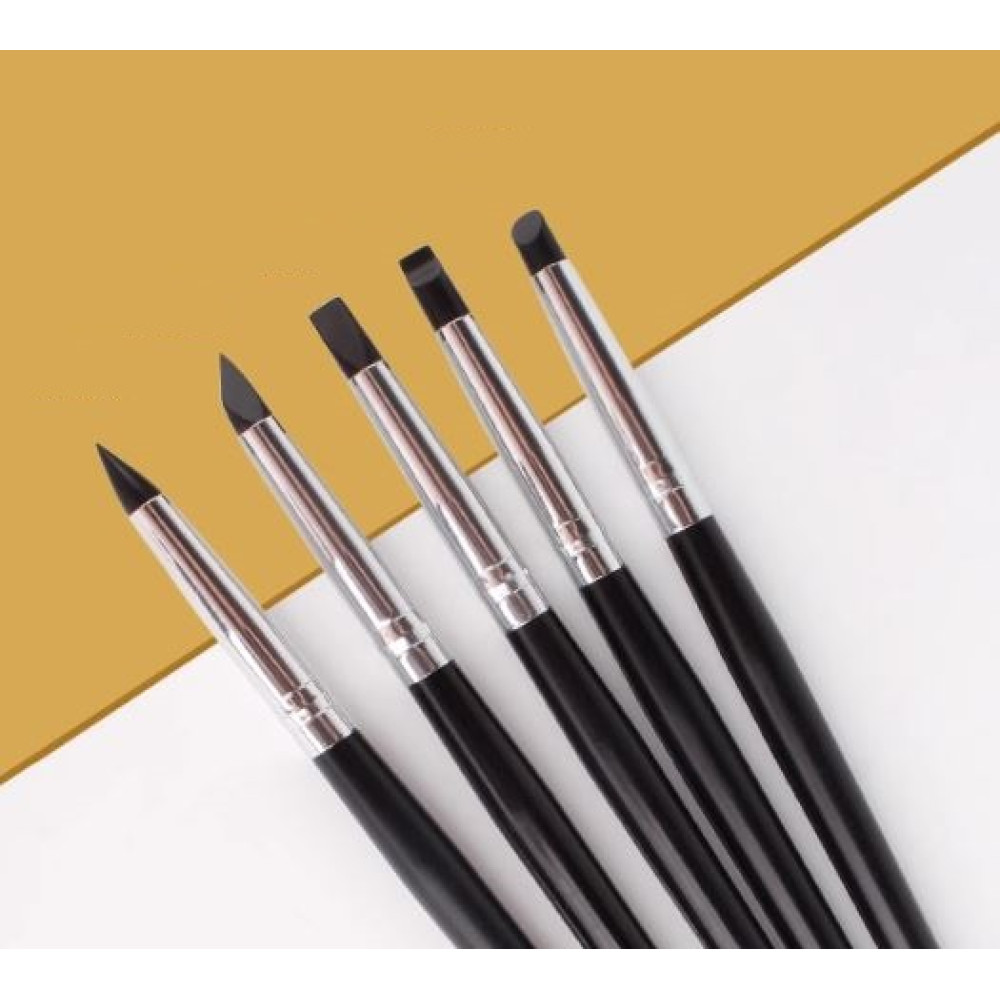
Angled brushes — convenient for creating shadows, highlights, and contour work.
You can also choose between natural bristles (kolinsky, squirrel) and synthetics. Natural brushes are soft and hold paint well, but require careful care. Synthetics, on the other hand, are more durable and versatile, especially when working with acrylics.
Weathering Brushes – Realism Through Detail
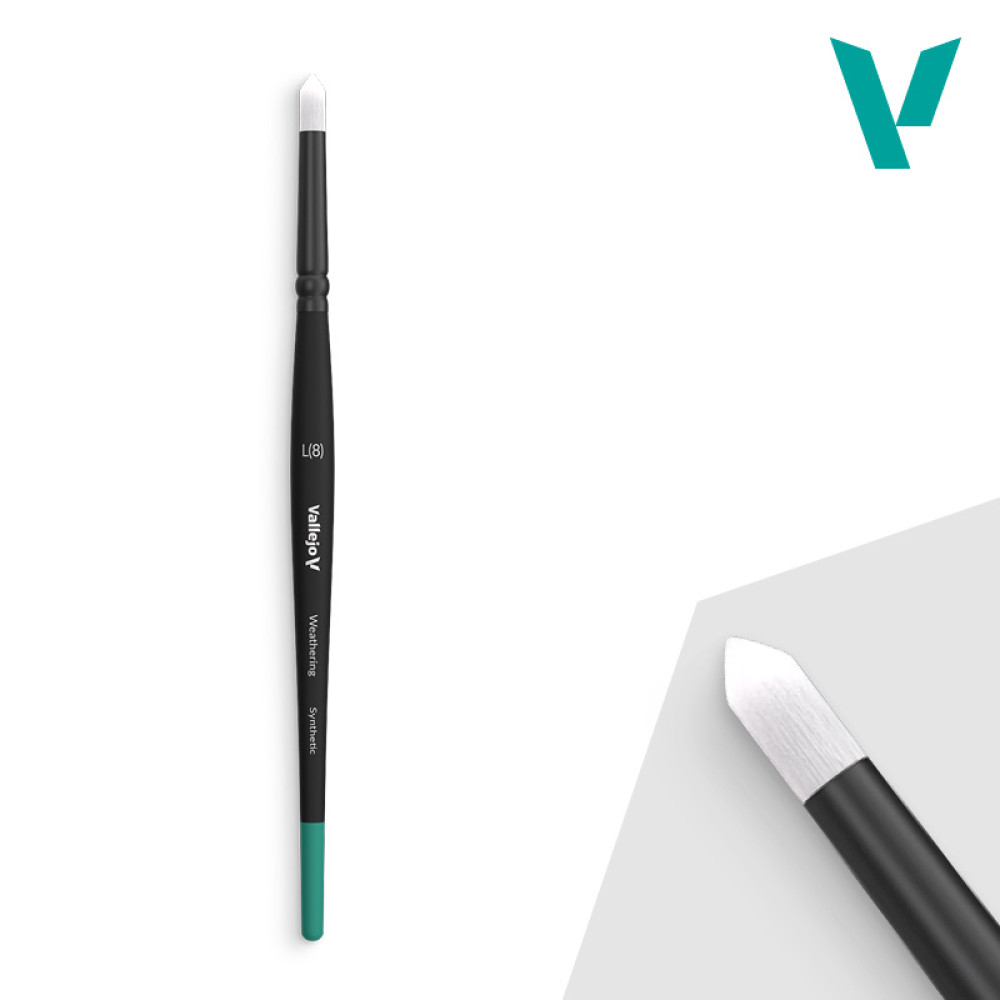
A special category – weathering brushes. Weathering is a technique for aging and soiling a model, which allows it to appear realistic. This can include simulating rust, soot, dirt, chips, drips, and dust. Specific brushes are used for these tasks, most commonly:
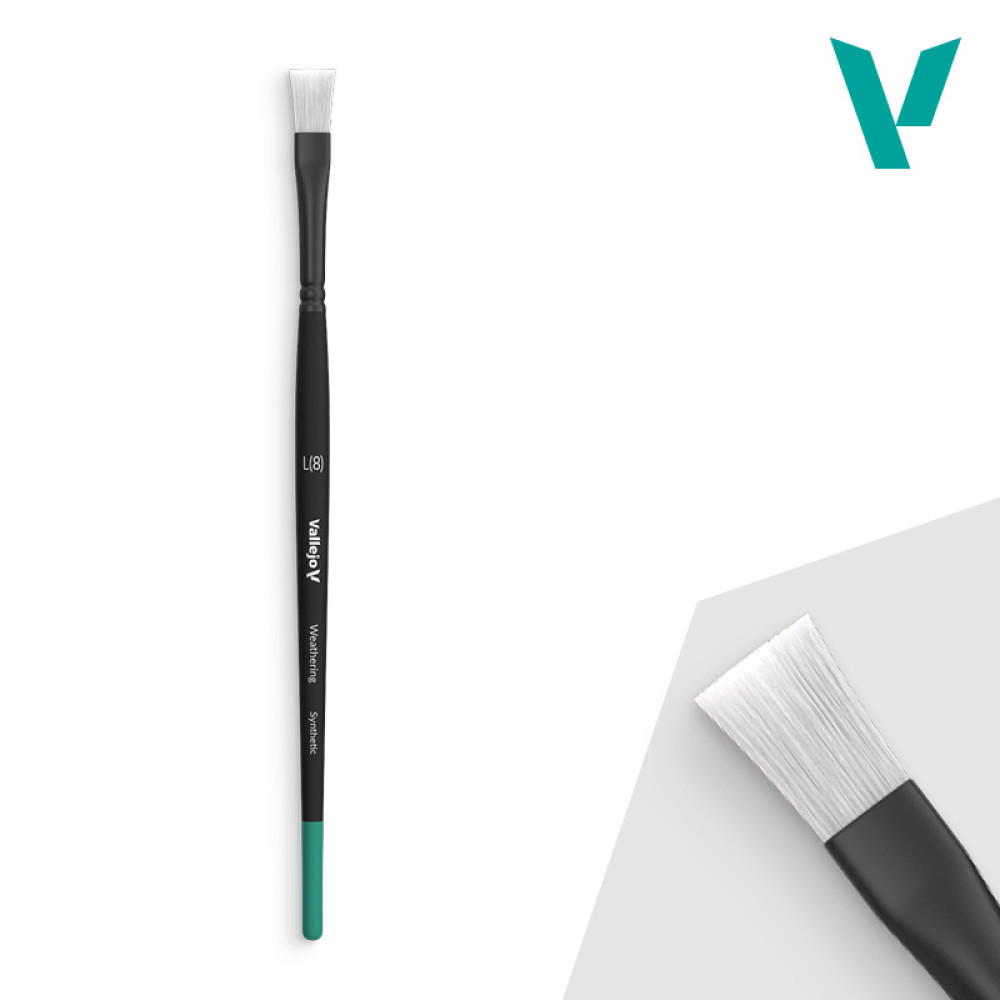
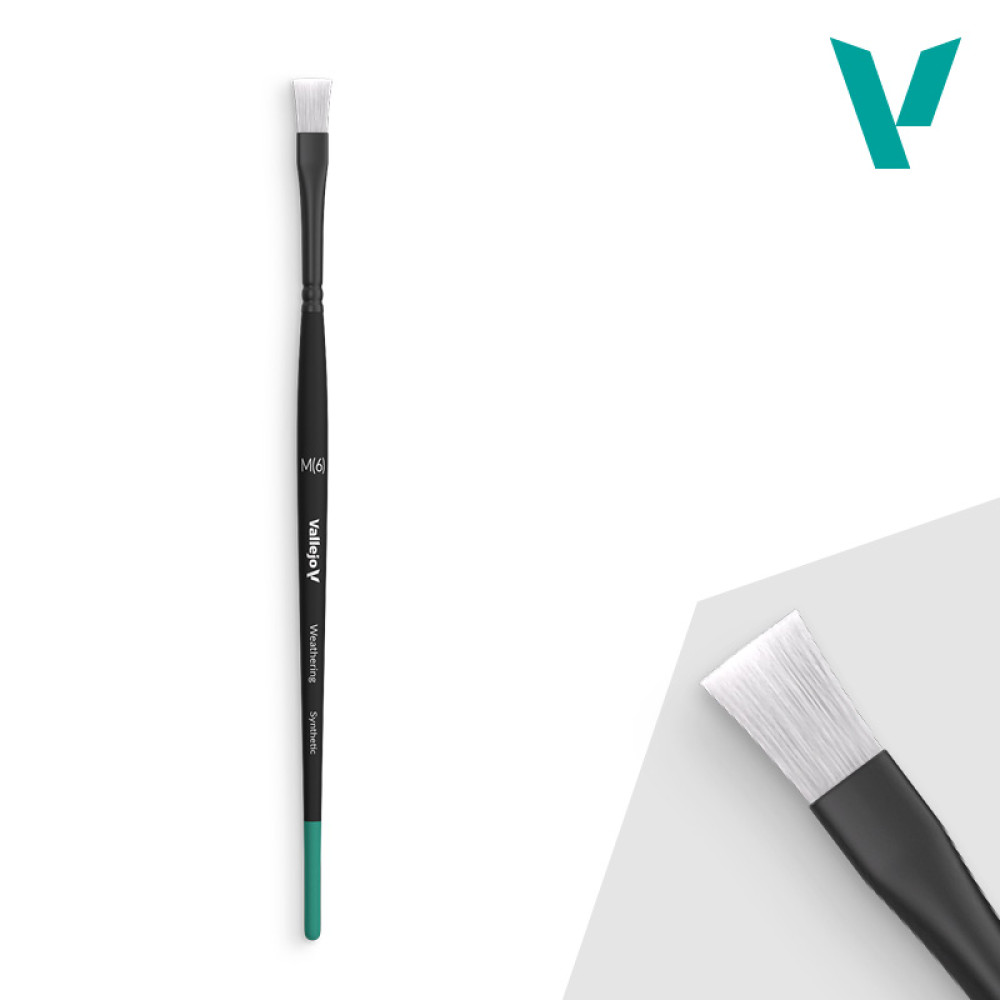
Stiff flat brushes – for dry brushing, when paint is applied almost dry to highlight relief;
Bristled round brushes – for packing pigments and pastes;
Waving brushes – for the effect of drips, streams of water, and dirt;
Stippling brushes – for creating uneven, "broken" textures.
These brushes are often subjected to heavy wear, so it's best to choose more durable and inexpensive options, especially if you're working with aggressive pigments or oils.
Where to buy model brushes?
At Standmodels, you can buy model brushes for any task: base painting, detailing, weathering, and masking. We also stock convenient stands, storage cases, cleaning products, and accessories to help extend the life of your tools.
Brush Care: The Key to Longevity
To ensure long-lasting performance and delightful results, brushes need to be cared for properly:
· Rinse the brush immediately after use;
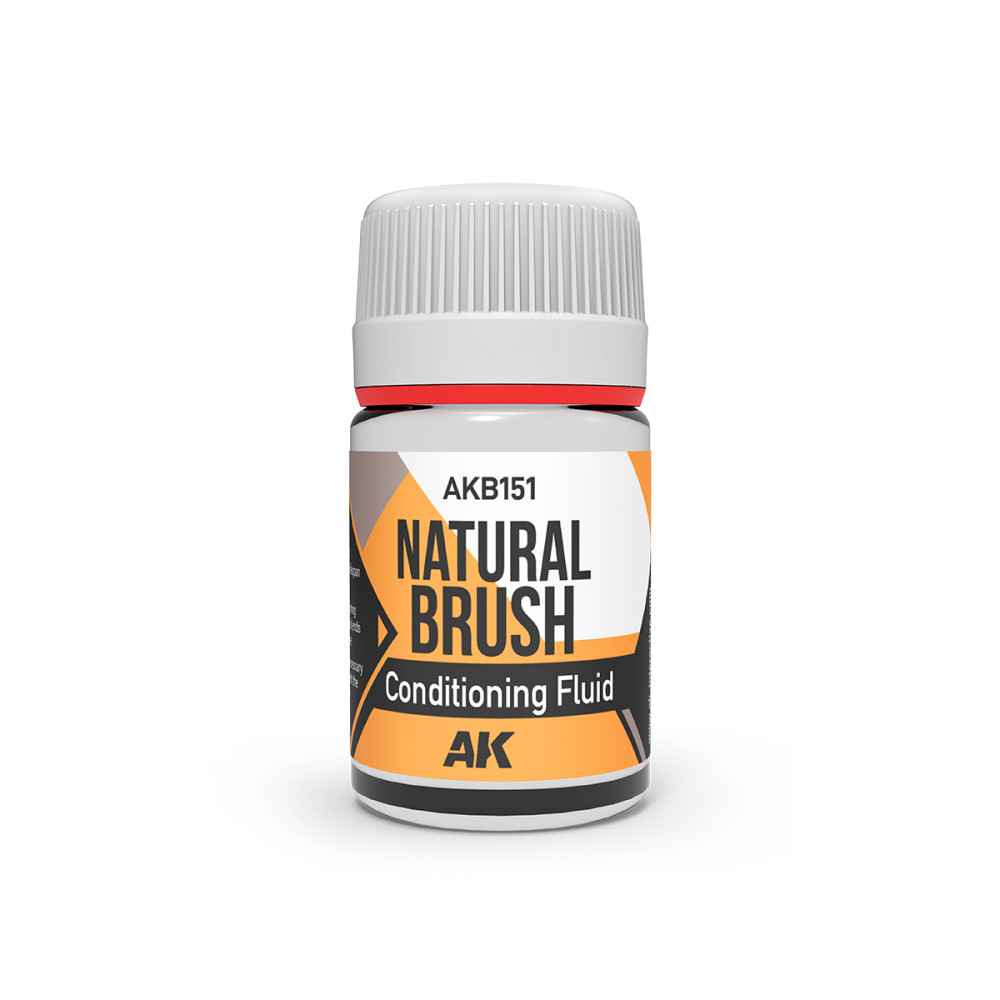
· Use specialized cleaners for acrylic and oil paints;
· Don't leave the brush upside down in a glass;
· Shape the bristles after cleaning and store them upright.
A high-quality brush is not just a consumable, but a fully-fledged tool that helps convey your skill and attention to detail. Don't skimp on the essentials, and your models will look their best.