In the world of scale modeling, details matter. Every detail, every line, every curve of the model's body requires attention and precision. Achieving a perfect finish is only possible with the right tools. An experienced modeler's arsenal always includes indispensable tools such as needle files, sandpaper, files, and various abrasives.
Needle Files - Fine Detail Work
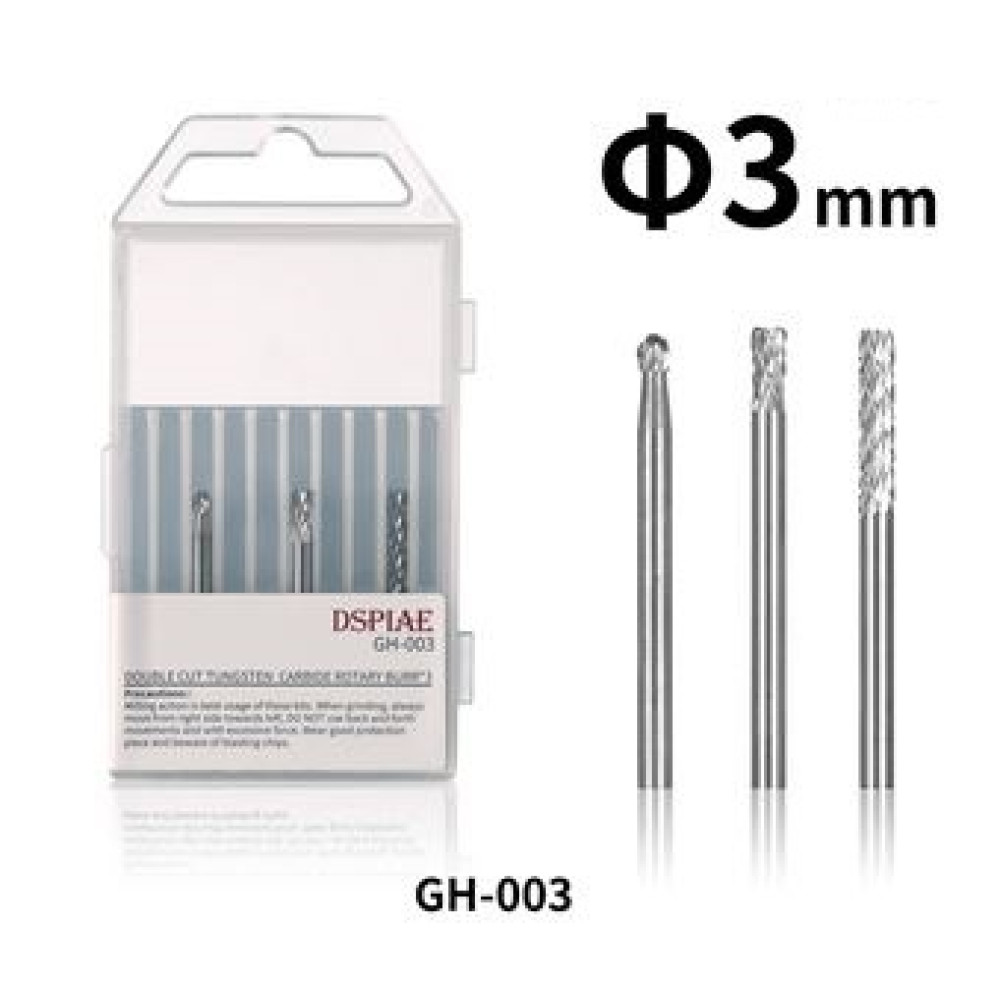
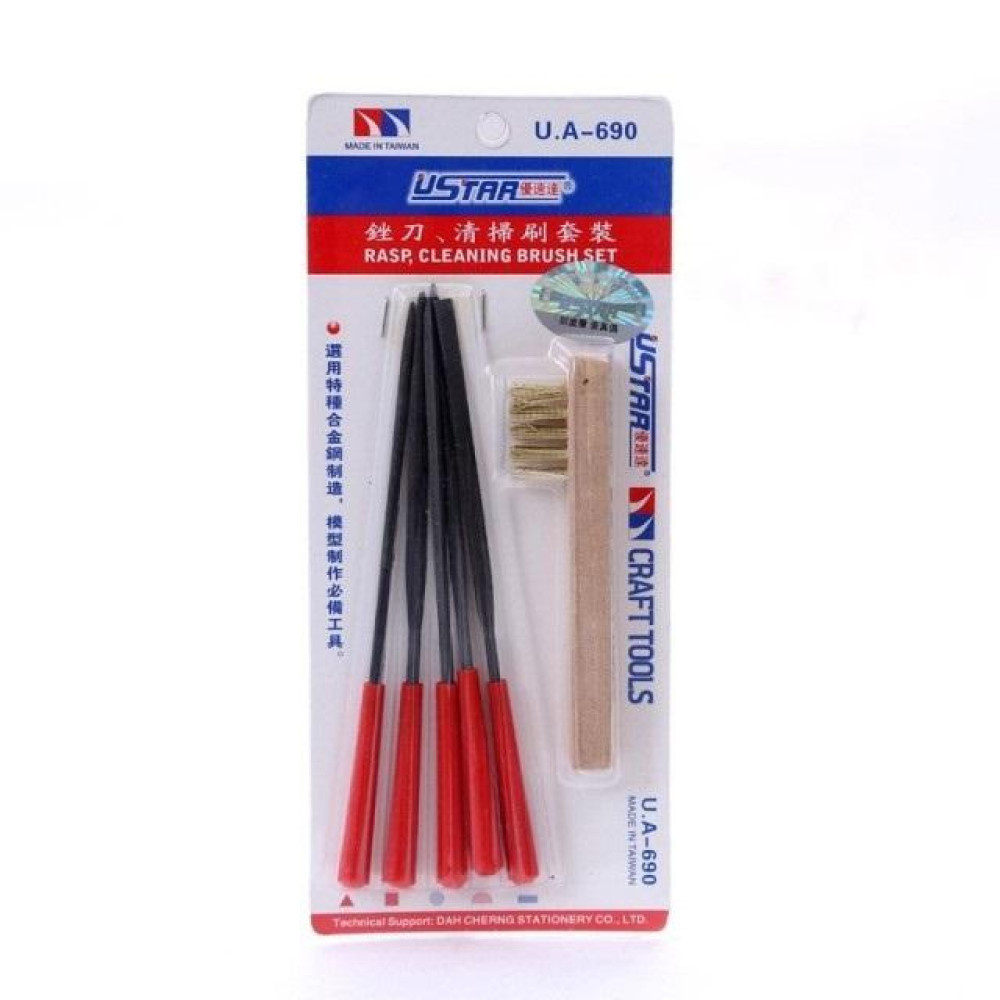
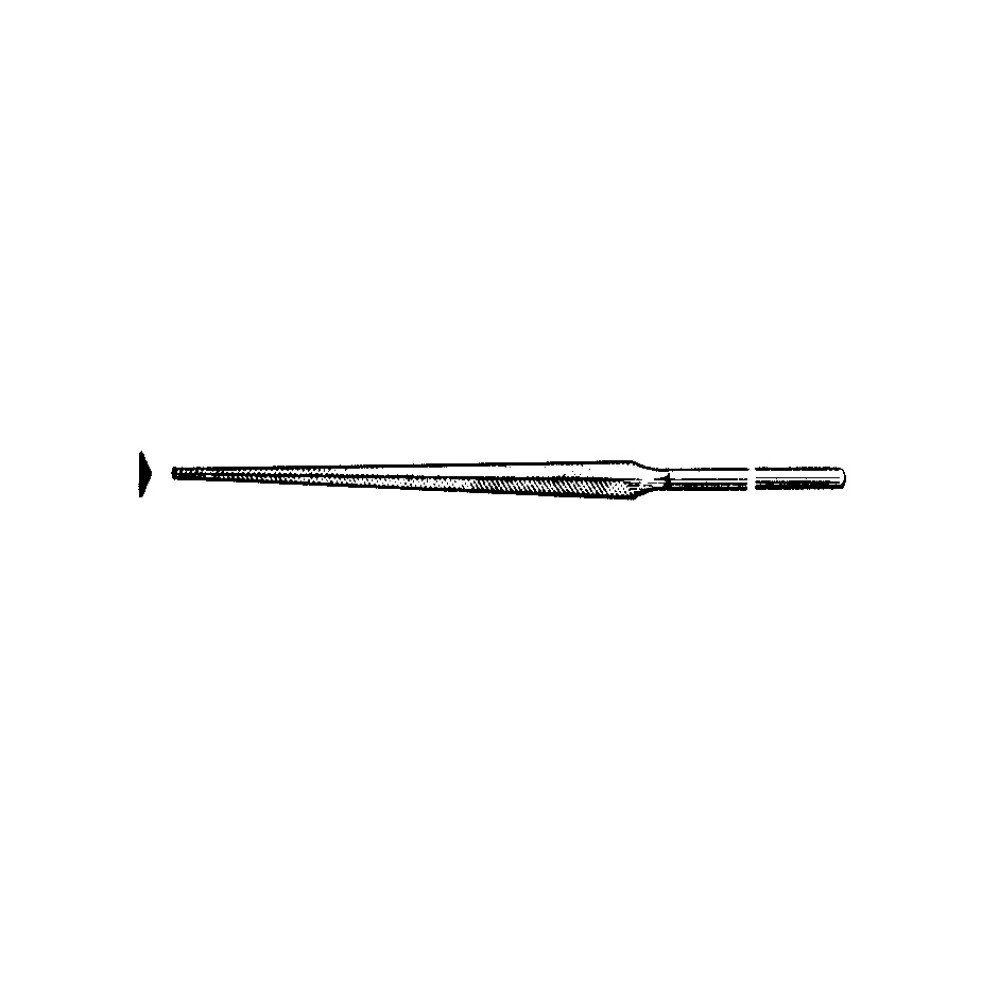
Needle files are miniature files specifically designed for finishing small details. They vary in shape (flat, round, triangular, oval) and grit, making them versatile tools for modeling. Needle files allow you to remove burrs on sprues, finish seams, and shape parts to the desired geometry. They are especially indispensable when working with plastic or resin components, where precision and accuracy are required.
A beginner modeler should start with a set of basic medium-grit needle files. Over time, you can expand your collection by adding finer options for finishing or coarser ones for removing large amounts of excess material.
Filing Files and Their Role in Model Making
Filing files used in model making differ from regular nail files or construction tools. They are specialized tools that allow you to carefully separate parts from sprues, clean attachment points, and shape the desired surface. They come in metal, diamond, and abrasive varieties. Flexible files with an abrasive coating, similar to sandpaper but with a comfortable handle or base, are also available on the market.
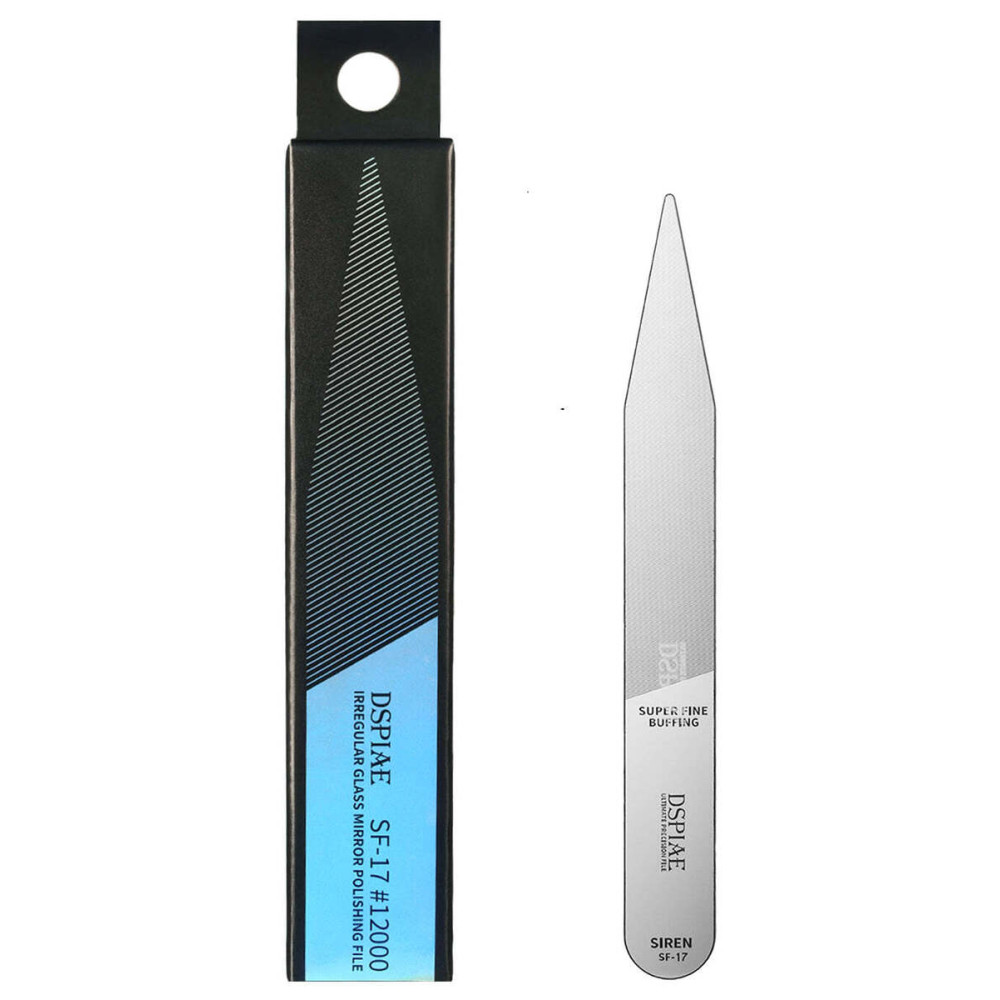
One of the most popular types is the polishing file for model making. It is used for final surface finishing before priming or painting. Thanks to its soft abrasive and flexible base, this file does not leave deep scratches and allows you to bring the part to a perfect finish. This is especially important for glossy car or aircraft models, where the slightest unevenness will be noticeable in a negative way, as scratches or damage are sometimes created intentionally.
Sandpaper: from coarse to ultra-fine
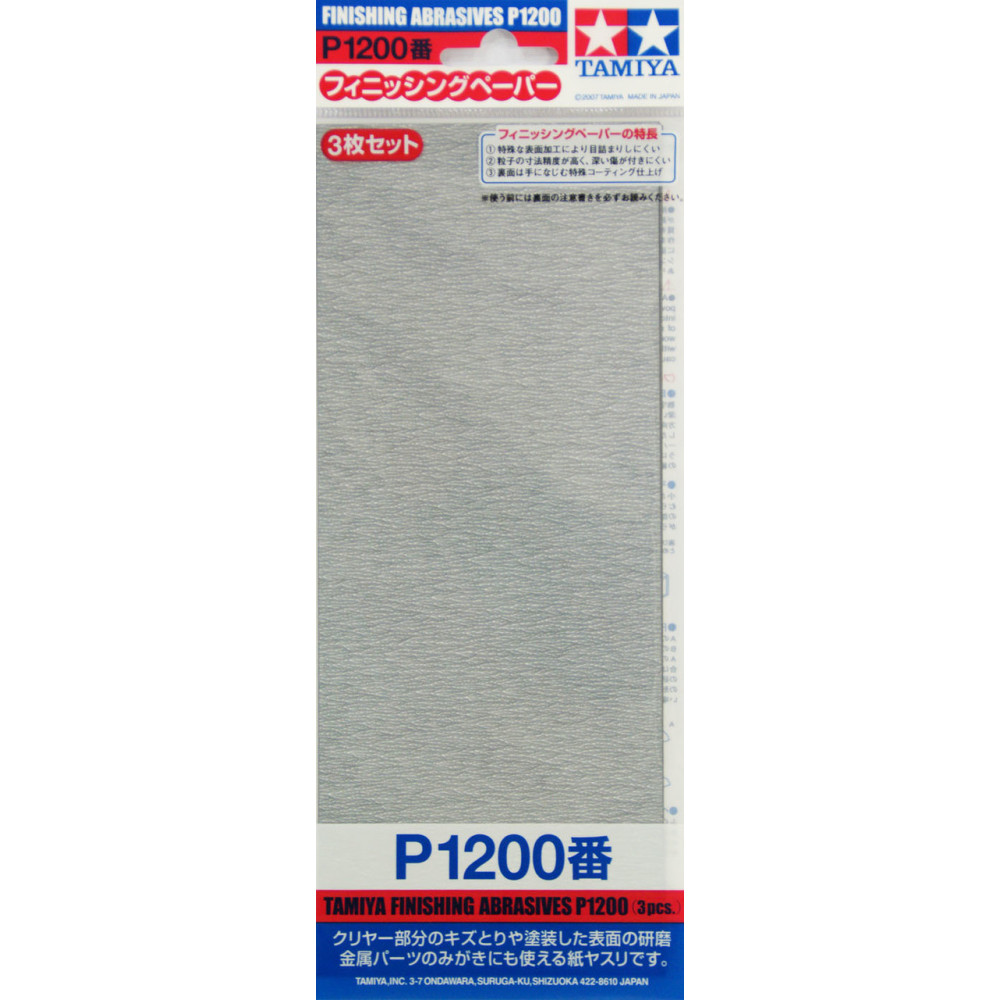
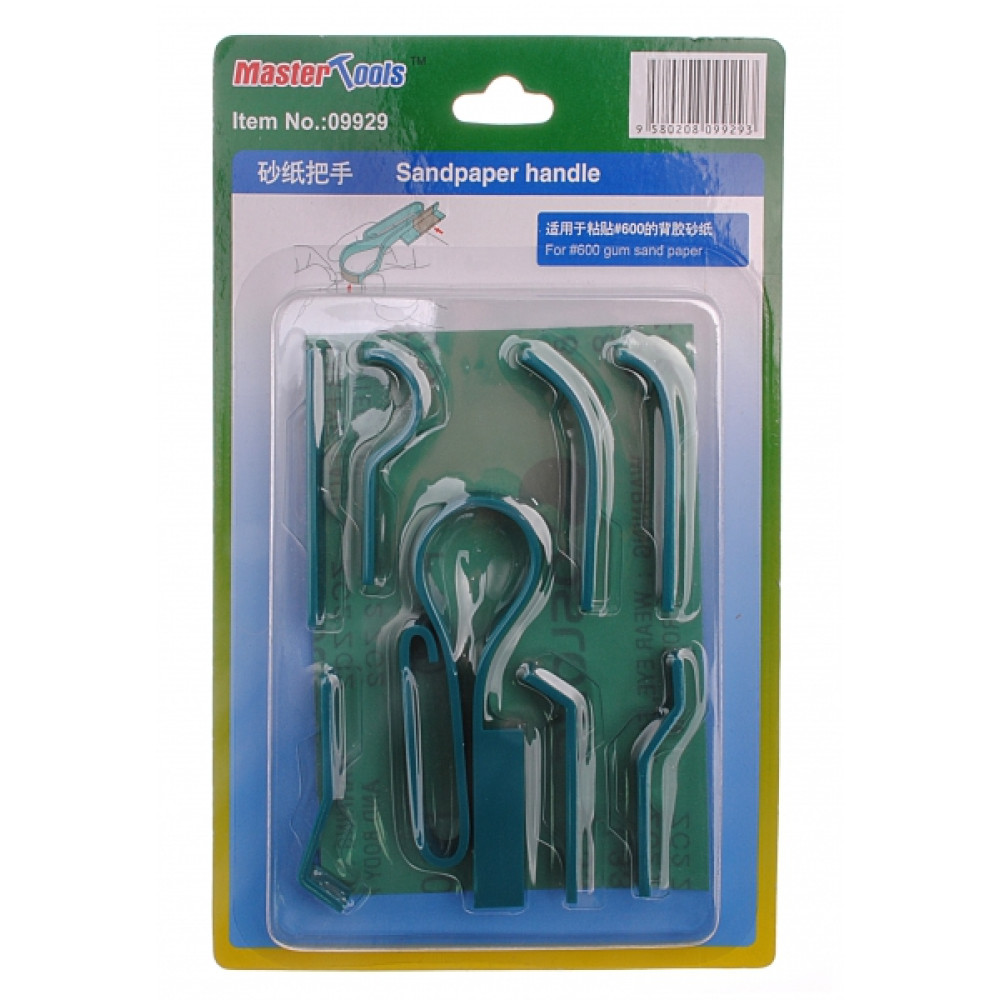
Hobby sandpaper is another essential item in a modeler's workspace. It differs from construction sandpaper in that it has a finer grit and can be either paper- or cloth-backed. Thanks to the wide range of grit sizes, you can find the right sandpaper for any task: from coarsely removing excess plastic to delicately polishing the surface before applying varnish.
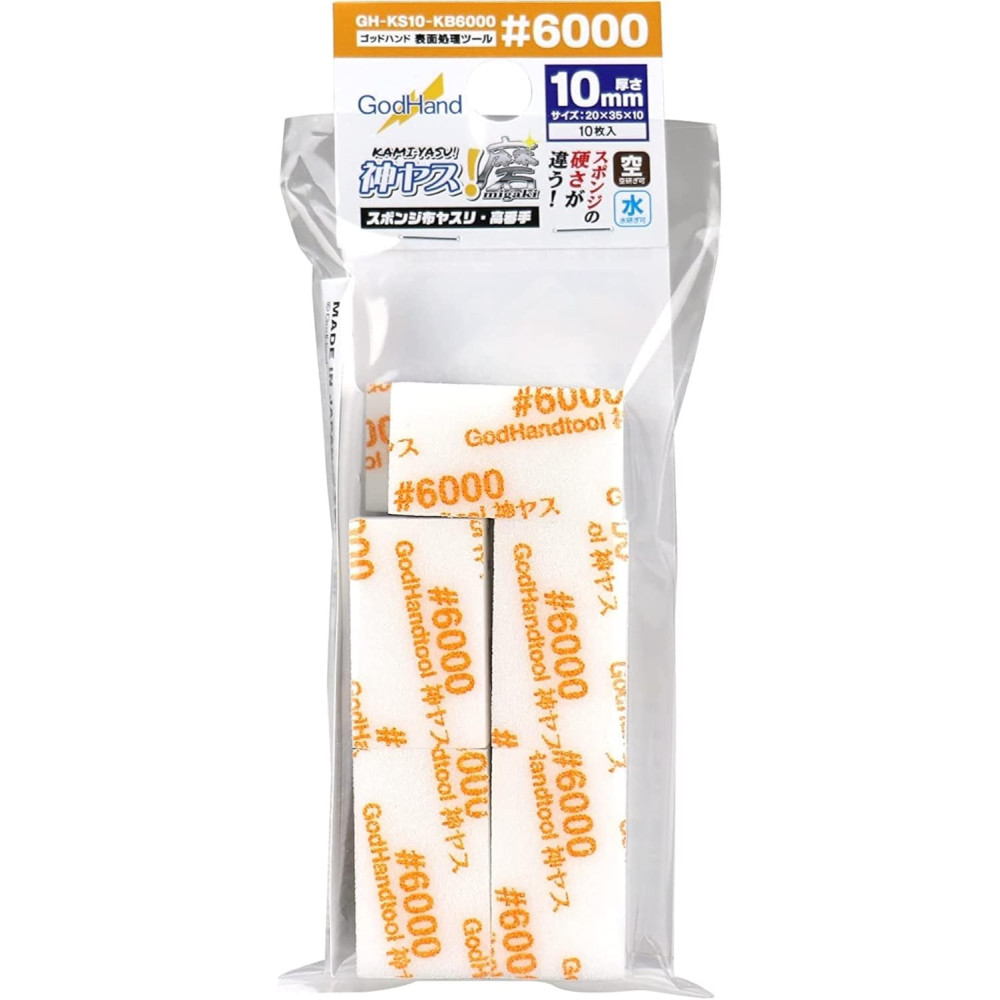
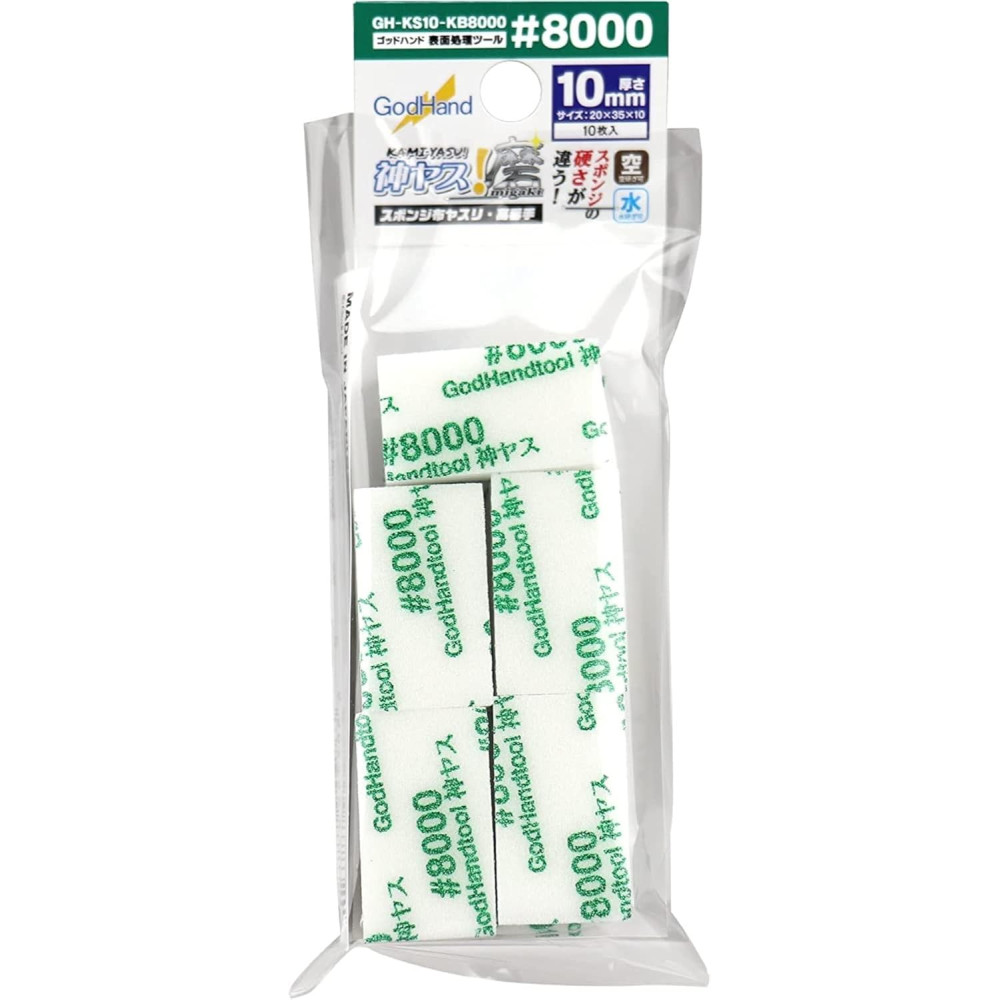
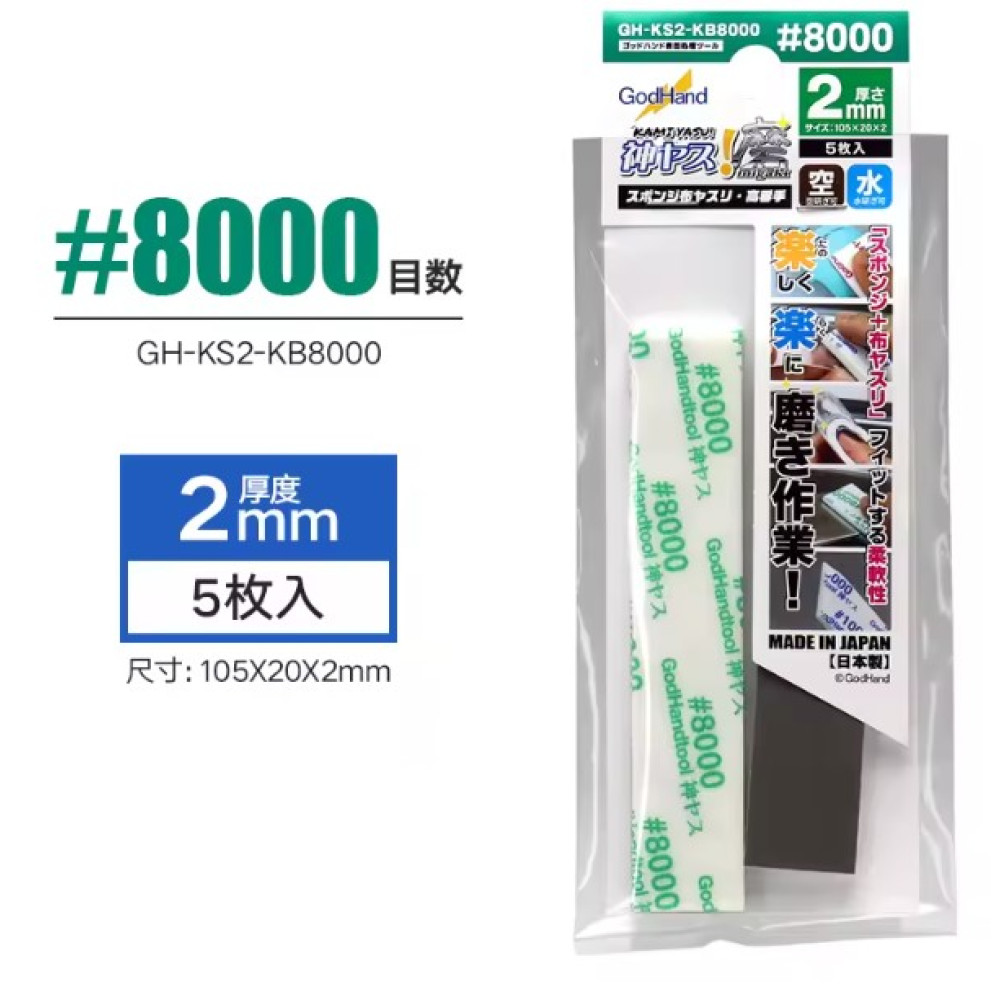
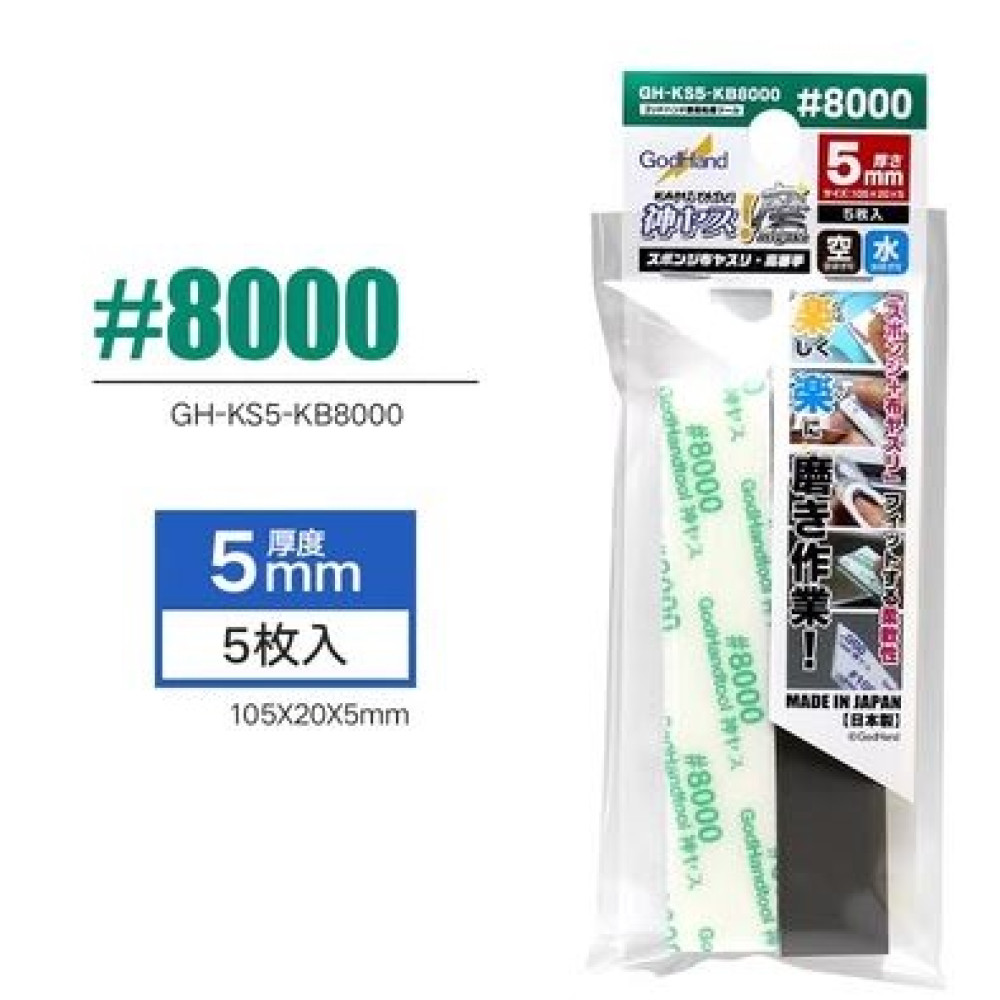
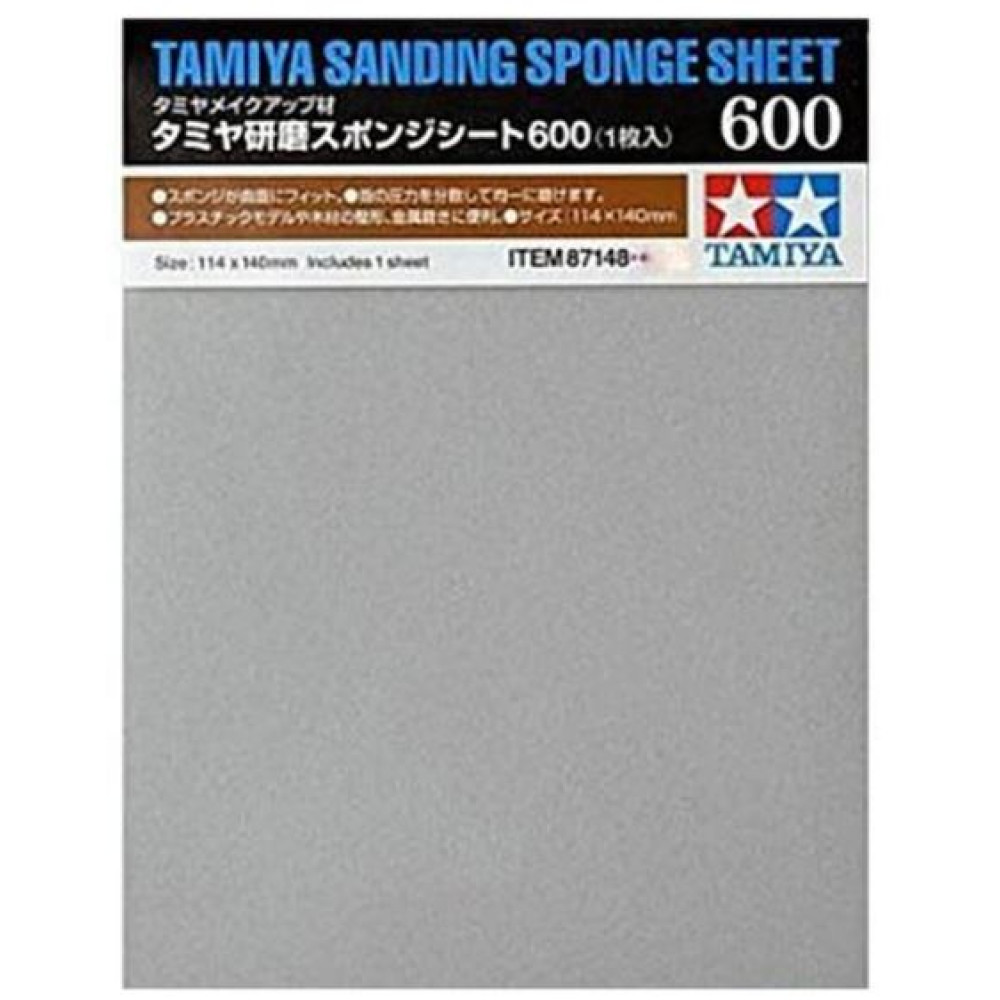
Sponge sandpaper for scale models is very convenient to use. It consists of an abrasive layer bonded to a soft backing (usually foam). This sponge easily conforms to the shape of the surface, which is especially important when sanding rounded or geometrically complex elements. It also reduces the risk of applying too much pressure and damaging small details. This is precisely why modelers value this type of sandpaper.
Sponges: Convenience and Accuracy
The Tamiya sanding sponge is one of the most popular sanding materials. Tamiya has long established itself as a leader in the production of accessories and tools for model making. Their sanding sponges come in a variety of grits, from 400 to 2000 and above. This allows for both rough sanding and ultra-fine polishing.
Tamiya sponges are easily cut to the required shape and size, making them convenient for sanding hard-to-reach areas of a model. They can also be used wet, which reduces dust and reduces the risk of overheating the plastic.
Model Preparation: Step-by-Step Sanding
Working with any scale model begins with preparing the parts. First, they are carefully cut from the sprue using a knife or nippers. After this, the cut area is finished with a file or saw. Then comes sanding. Start with coarse sandpaper (for example, 400 or 600 grit), gradually moving to finer ones (up to 1500 and above).
Hobby sandpaper or sanding sponge for scale models are excellent for this step. If you want to achieve a perfect glossy surface, you can use a polishing file for model making. It removes micro-scratches and prepares the base for painting or varnishing.
It's important to remember: proper sanding is the key to a high-quality final result. Even the most beautiful paint job won't hide a poorly finished surface.
Tool Care
To ensure long-lasting performance, tools need to be properly maintained. Files should be regularly cleaned of plastic or resin shavings. This can be done with a wire brush or a special product. Files should be stored in a dry place, away from moisture. Sandpaper and sponges can be gently rinsed with water after use, especially if you sanded wet.
By the way, many modelers note that sandpaper and sponges from reputable manufacturers, such as